A well-run discharge looks stealthily simple from the outside. Doors open, people submit out, the last move verifies the structure is clear. The truth behind that calmness is a chief warden that has trained, drilled, and prepared for the moment when problem gets here. As someone that has led discharges in office towers, making websites, and medical care settings, I can inform you the work is less concerning heroics and even more concerning regimented coordination. When smoke alarms begin shouting or a sprinkler head pops, you do not rise to the event, you draw on training.
The standard training in Australia recommendations PUAFER005 and PUAFER006. The very first, PUAFER005 operate as part of an emergency control organisation, sets the structure for wardens that control their zones. The 2nd, PUAFER006 lead an emergency control organisation, is the principal's playbook. Whether you are preparing for your chief fire warden course, constructing your emergency control organisation, or tuning your treatments after a close to miss out on, the complying with guide takes you through the pattern that works when the risks are high.
What the chief warden role actually entails
A chief warden works with people, details, and time under pressure. Your authority streams from the emergency situation plan and the emergency situation control organisation, not individual rank. You established priorities, allot jobs, confirm conclusion, communicate with emergency situation services, and make decisions when the plan and truth diverge. The job starts long before a discharge and proceeds after every person has gone home.
There is additionally a visual and symbolic item. The chief warden hat or safety helmet is greater than tradition. It interacts authority and reduces hesitation. In lots of Australian workplaces, the chief warden hat colour is white. Replacement wardens frequently wear yellow, and communications officers might use red. Practices differ by sector and firm policy, so always line up with your website plan. If you have actually ever before had multiple evac teams merge at a congested assembly area with smoke drifting and alarms showing up the roadway, you already understand how much faster individuals react when they can find the chief warden hat at a range. For those wondering what colour helmet does a chief warden wear, white remains the most typical solution across Australian standards, though composed treatments on website trump assumptions.
Before the alarm system: the peaceful job that protects against noise
Everything throughout a discharge relies on what you do when no one is watching. You construct competence in three layers: individuals, plant, and plan.
People precedes. Recruit wardens with tranquil character and interest to information. Fire warden training sets the baseline, but genuine competence expands from drills. The PUAFER005 course is the starting line for area wardens and floor wardens, educating them how to operate as part of the emergency situation control organisation, perform moves, take care of small-scale events, and escalate properly. The PUAFER006 course develops the leadership piece for chief wardens, focusing on details administration, choice making, and control. I prefer to send out future deputies to both. You get a much deeper bench and a shared language.
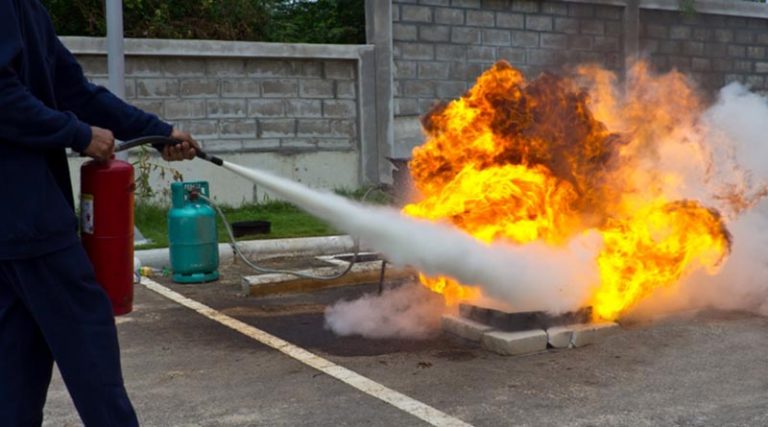

Plant refers to systems. Test alarm systems, smoke doors, stair pressurisation followers, warden intercom phones, emergency situation lights, and public address systems. Way too many websites discover the dead PA amplifier or the stuck fire door during a drill, which is the least-bad time to find it. Maintain a recorded schedule. Bring professionals along for a walk-through so they recognize your setting up areas, hydrant accessibility, and panel locations.
Plan connections the initial two with each other. Map your areas and appoint wardens to every, with a deputy for every main. Define backups for after-hours staffing, service providers, visitors, and mobility-impaired passengers. Establish key and second assembly locations with wind fire warden and egress in mind. Place the plan where it can be made use of under anxiety: brief checklists at the panel, laminated sweep cards in each area, and a simple signal procedure that wardens bear in mind when adrenaline spikes.
The first min when the alarm system goes off
That initially minute anchors the remainder of the occasion. Move with objective, however deal with need to thrill. I habitually count a slow five while I get my bearings. It is enough time to check the panel, take a breath, and stay clear of the mistake that burns your following ten minutes.
Here is the series I teach throughout chief warden training, distilled from many drills and a few untidy genuine events:
- Verify the alarm system and recognize the zone using the fire indication panel or structure monitoring system. Verify the nature of the alert: automatic detector, hands-on telephone call point, lawn sprinkler circulation, or a fault. Assume control of the emergency control organisation. Don the chief warden hat and radio or interaction device. Reveal control on the warden channel and activate the emergency procedures. Dispatch wardens to the suggested area, stairwells, and vital chokepoints. Assign a communications officer if offered to take care of the PA and logging. Decide early on discharge scope. Beginning with a neighborhood or organized evacuation for single-zone alarm systems, intensify to complete evacuation if you have smoke, warm, or numerous activations. Call emergency services with a succinct report if there is credible threat: place, kind of alarm system, variety of floors, hazards such as gas cyndrical tubes or chemicals, and your contact point.
That list covers the very first minute. Out in the area, you will certainly likewise read the room. If you smell smoke on Level 7 while the panel shows Level 8, you have to expand your search and lean toward acceleration. If you have a well-known warm source that sets off dust alarms throughout upkeep, you might hold a moment much longer while your area warden confirms.
Using communications to develop calm
People comply with a confident voice and visible cues. The is your friend. Talk simply, maintain it short, and repeat the key points. If you have actually ever listened to a rambling instruction in a jampacked warehouse, you know exactly how promptly interest cracks. In high sound environments like manufacturing floorings, increase with visual signs and wardens with loudhailers.
I go for three components in each program. State what is happening, state what to do, and state what comes next. For instance: "Attention all residents, this is the chief warden. We are evacuating Levels 5 to 8 because of a smoke alarm. Leave by the nearby risk-free stairwell, do not use lifts. Continue to Assembly Area A on the south parking lot. We will certainly supply an update in 2 minutes."
On the warden channel, maintain a running log. Time-stamp the crucial events. Which areas gotten rid of, where smoke was observed, who escorted mobility-impaired occupants, and what assistance is called for. In an online incident, those notes come to be the foundation of your post-event review and your handover to the fire brigade.
Staged or full discharge: exactly how to choose
Staged emptyings maintain people relocating while minimizing stairwell congestion. They beam in high-rise buildings, medical facilities, and large universities. A common organized strategy clears the fire floor, the flooring above, and the flooring listed below initially, then rolls outward. The technique is timing. If you see smoke movement or hear numerous detector activations throughout zones, you will likely desert staging and most likely to a full emptying. Throughout the years, I have actually hardly ever been sorry for leaving more than needed, but I have actually seen chief wardens shed mins attempting to hold a staged pattern when problems were deteriorating.
Full discharges are blunt but efficient. Utilize them when you have lawn sprinkler circulation, validated fire, hefty smoke, multiple alarm areas, or anything you can not quickly diagnose. Resident safety and security comes prior to productivity every time. If you are running a website with hazardous processes or susceptible residents, your chief warden course need to consist of scenario work that explores these telephone calls under time pressure.
Coordinating wardens on the move
Good wardens are your eyes and hands. They sweep their zones, close doors behind them to preserve smoke areas, and guide passengers to secure departures. As chief warden, you take care of the pace. Do not micromanage brushes up over the radio. Rather, demand succinct condition: "Degree 10 north area clear, no smoke, continuing to stairwell B to escort last residents." If a warden goes silent after acknowledging a project, sign in rapidly and after that assign a backup if needed.
On big websites, designate a replacement chief warden to run the building inside while you manage the control point and speak with emergency situation solutions. The deputy can rearrange wardens, confirm stairwell conditions, and examine handicapped haven locations. You want one person at the panel who is not running laps and therefore has a consistent picture of the building.
Special considerations for healthcare, laboratories, and manufacturing
One emptying strategy never ever fits all. Medical care settings frequently execute horizontal discharge, moving individuals in between smoke areas instead of out of the structure. Your emergency warden training need to cover client handling, clinical gas shutdowns, and lift-use exceptions that only use when fire brigade control has been developed. In laboratories, you align with spill procedures and fume hood dependencies. In manufacturing, moving people via designated paths while machinery winds down securely takes choreography. Consist of line leaders in warden training so they comprehend lockout actions that do not restrain escape.
In all 3 environments, preplanning for mobility-impaired passengers is not nice-to-have. Preserve a private listing, upgraded quarterly, of those who will require help. Assign two wardens to each person, educate them in chair or sled use, and practice the path. Do not leave this to improvisation.
The assembly area belongs to the emergency situation scene
Evacuations do not end at the door. Too many drills quit when bodies struck the car park, which establishes you up for confusion in an actual event. The assembly location have to be big enough, upwind of likely smoke resources, and not in the fire brigade gain access to path. Designate a marshaller to obtain wardens as they get here, record zones gotten rid of, and track individuals waiting for aid or missing out on. Use a clear signal to indicate all-clear, and never send people back in till the fire brigade or the chief warden, where permitted, states it safe.
When I audit websites, the single most common setting up problem is group creep. Individuals instinctively wander towards doors to leave the cold or to check on coworkers. A couple of cones and signs aid, yet the very best control is an energetic chief warden existence at the head of the group, noticeable and vocal.

Documentation that earns its keep
During chief fire warden training, paperwork appears like paperwork. Throughout a real incident, it comes to be a lifeline. Keep the following in a grab-and-go emergency set near the panel: a laminated site strategy with areas, stairwells, hydrants, and fire control room; a current warden listing with contact numbers; a mobility-impaired assistance checklist secured for privacy however available throughout emergencies; a log sheet with time columns; spare radios and batteries; and a flashlight. If your warden intercom system falls short, handheld radios can connect gaps. If your panel is great smoky or noisy, a straightforward paper log maintains you ahead of memory fog.
For those pursuing a chief warden course mapped to PUAFER006 lead an emergency control organisation, assessors commonly intend to see proof of preparation and document maintaining. Build this routine for the ideal reasons, and the conformity box ticks itself.
Training that sticks: drills with purpose
Any fire warden course worth the fee balances theory with reasonable activity. Run drills that mirror your structure's threats and rhythms. Alternative arranged drills with surprise drills, but never ever weaponise them. The goal is to build self-confidence, not capture individuals out. Revolve scenarios: a single-zone detector, a sprinkler activation, an obstructed stairwell, a person of lowered flexibility on an upper flooring, a service provider stuck behind gain access to control. Include your after-hours team a minimum of twice a year if you run past conventional organization hours. Spaces show up fast when you run a website at 2 a.m. with 3 people instead of three hundred.
Training regularity should be defensible. As a rule of thumb, hold full-evacuation drills every year, with partial or desktop computer drills quarterly. Fire warden training requirements vary by jurisdiction and sector, however the mix of PUAFER005 and PUAFER006 offers a strong baseline. If you have a high-risk process, take into consideration extra modules such as spill feedback or confined areas, and fold them into your emergency warden training.
Step-by-step: from alarm to all-clear
The cleanest evacuations comply with a self-displined arc. The steps listed below mirror usual technique for multi-storey commercial buildings, however the reasoning carries to most sites.
- Alarm activates and is recognized at the panel. Chief warden assumes control, puts on chief warden hat, and triggers the emergency procedures. Identify the influenced area. Send off wardens to explore, and reveal either a standby or instant emptying for affected degrees through PA. Initiate evacuation as suggested. Straight people to closest risk-free stairwells, instruct them to leave items behind, and maintain lifts inactive unless guided by fire brigade. Confirm zone sweeps. Wardens report clear or record individuals requiring aid, smoke problems, obstructed egress, or threats. Adjust discharge range based upon reports and detector activations. Liaise with emergency services on arrival. Give a concise handover: nature and place of alarm system, known threats, developing plans, and present condition of discharge and sweeps.
When the fire brigade declares the structure safe, coordinate the re-entry. Do not rush this. Inspect that fire doors and smoke doors are reset, that lifts are launched, and that the reason for the alarm system is addressed. A burned toast occurrence appears unimportant up until the same toaster oven activates a 2nd evacuation in a day.
What goes wrong and just how to avoid it
The most common failure I see is delayed decision making. Principal wardens wait for ideal information that never gets here, and minutes pass while smoke spreads. Train yourself to set decision points. If no verification within ninety seconds and signs stay regular, escalate.
Another challenge is radio mess. Every person talks simultaneously, important messages obtain hidden, and nobody maintains a tidy log. Fix this with self-displined protocols. Wardens state their zone initially, then the message, in one sentence if possible. The interactions officer repeats key points and timestamps them.
Locked or obstructed exits still show up in audits. You can avoid this with once a week walk-throughs and by making "clear egress" a standing schedule thing in procedures meetings. Security teams need the exact same briefing as wardens, specifically if they regulate gain access to systems. During one drill in a logistics facility, a single forklift pallet left near a fire door developed a pinch point for two hundred people. It took one min to clear in method and would certainly have taken much longer under smoke.
Lastly, complacency slips in. A run of false alarms makes individuals slow to relocate. The solution is culture. Reinforce that every alarm system is dealt with as real up until tested or else. Share brief debriefs after drills and incidents so individuals see the objective behind each action.
Responsibilities you can not delegate
A chief fire warden can pass on tasks, however a few responsibilities rest squarely on your shoulders. You have the decision to leave, partial or complete. You own the communication with emergency situation services and the official building-wide guidelines. You own the state of readiness: trained wardens, working tools, and existing paperwork. You also possess the after-action testimonial. If you do those 4 well, the remainder tends to follow.
On PPE and identification, set the standard. A chief warden hat that is scuffed or absent signals an informal technique. Keep it available, with a spare. See to it your deputy and interactions officer have plainly significant vests or hats. Aesthetic clearness assists visitors and specialists find the appropriate individual quickly.
Integrating specialists, site visitors, and hybrid job patterns
Workplaces alter. Hybrid work suggests your Tuesday discharge looks various from your Thursday one. Visitor flows wax and wind down. Professionals carry badges and tool bags, and they might be operating in plant areas when the alarm strikes. Cook this into your strategy. Require hosts to go along with site visitors to assembly factors. Register service providers with the emergency control organisation before they start, and reveal them the local leaves and the setting up location. If your badging system supplies occupancy reports, incorporate it with your headcount procedure, but do not allow modern technology replace aesthetic verification. Numbers assist, names matter.
Compliance, capability, and the value of the ideal courses
The merits of formal training show up when the occasion gets untidy. PUAFER005 provides wardens the basics: alarm system kinds, move techniques, emptying courses, and fundamental emergency interaction skills. PUAFER006 adds the leadership layer: planning, leading an emergency control organisation, inter-agency liaison, and the judgment needed when information disputes. Numerous companies supply a combined strategy, in some cases packaged as a warden course for general wardens and a chief warden course for those accountable. Seek providers that place you via sensible situations, not simply slides and quizzes. A well-run chief fire warden course will certainly place you on the panel, hand you a radio, and make you make a decision under time pressure.
If you manage a website, set minimums for fire warden training requirements. As an example, every zone has two qualified wardens, at least one deputy principal is trained to PUAFER006, and refresher courses occur every year. Place it in your emergency situation strategy and adhere to it.
After the occasion: debriefs that boost performance
Once the all-clear is provided and individuals return to work, emotions begin to clear up. That is the time to record lessons while memory is fresh. Bring wardens with each other for a 20 to thirty minutes debrief. Map the timeline, highlight what functioned, and concentrate on two or 3 enhancements. Keep it positive. If a warden missed out on a move or a radio message got garbled, address it directly and establish a rehabilitative activity. Update your plan if a structural problem arised, such as the demand for a second setting up website due to construction, or a mismatch in between alarm system areas and functional occupancy.
Share a quick recap with the broader labor force. People appreciate understanding why they stood in the parking lot for 18 minutes and what you are doing to make the next emptying fire warden course smoother. Transparency develops compliance.
A note on hats, headgears, and identification
Colour conventions aid, yet they are not global. In numerous Australian setups, the chief fire warden hat colour is white, while location wardens wear yellow and interactions or first aid workers use red or environment-friendly. Some work environments make use of helmets, others make use of construction hats with coloured bands or high-visibility vests with titles front and back. The inquiry what colour helmet does a chief warden wear is ideal answered by your website's emergency situation plan. The concept is easy: be promptly recognizable from 20 metres in a group. If you are updating your kit, examination exposure in low light and under smoke conditions. Matte finishes minimize glow, and reflective lettering helps at night.
Judgment under pressure
No strategy prepares for every combination of events. One winter season early morning, we had a detector trip in a plant area while an unrelated power dip delayed lifts between floorings. Individuals in the cabs were calm, however the babble swamped the radio internet while a professional in the plant space employed a burning scent. We split the networks, assigned a replacement to raise rescue sychronisation, and pushed a staged evacuation of the surrounding floor while I met the brigade. None of that got on a solitary page of the plan. It was, nonetheless, practiced in pieces: radio technique, deputy delegation, and clear public news. The building removed, the brigade separated a motor control panel, and nobody was injured. That outcome began months earlier with training, drills, and the authority to act decisively.
Bringing all of it together
A chief emergency warden anchors the feedback when alarm systems seem. The job extends from policy to pavement. Construct your emergency situation control organisation with redundancy. Train with PUAFER005 and PUAFER006 with suppliers that make you sweat a little throughout circumstances. Preserve your plant and your documents. Put on the chief warden hat with intent, not ceremony. Talk clearly, make a decision early, and maintain individuals approaching safety. If you do those things consistently, your emptyings will certainly look tranquility from the outdoors, which is precisely how you want them to look when every little thing within is relocating fast.
Take your leadership in workplace safety to the next level with the nationally recognised PUAFER006 Chief Warden Training. Designed for Chief and Deputy Fire Wardens, this face-to-face 3-hour course teaches critical skills: coordinating evacuations, leading a warden team, making decisions under pressure, and liaising with emergency services. Course cost is generally AUD $130 per person for public sessions. Held in multiple locations including Brisbane CBD (Queen Street), North Hobart, Adelaide, and more across Queensland such as Gold Coast, Sunshine Coast, Toowoomba, Cairns, Ipswich, Logan, Chermside, etc.
If you’ve been appointed as a Chief or Deputy Fire Warden at your workplace, the PUAFER006 – Chief Warden Training is designed to give you the confidence and skills to take charge when it matters most. This nationally accredited course goes beyond the basics of emergency response, teaching you how to coordinate evacuations, lead and direct your warden team, make quick decisions under pressure, and effectively communicate with emergency services. Delivered face-to-face in just 3 hours, the training is practical, engaging, and focused on real-world workplace scenarios. You’ll walk away knowing exactly what to do when an emergency unfolds—and you’ll receive your certificate the same day you complete the course. With training available across Australia—including Brisbane CBD (Queen Street), North Hobart, Adelaide, Gold Coast, Sunshine Coast, Toowoomba, Cairns, Ipswich, Logan, Chermside and more—it’s easy to find a location near you. At just $130 per person, this course is an affordable way to make sure your workplace is compliant with safety requirements while also giving you peace of mind that you can step up and lead when it counts.